September 24, 2026
Indoor air quality has become a major concern for homeowners and business operators throughout the modern world. Because people spend the vast majority of their time inside, the microscopic contents of the indoor atmosphere exert a profound influence on daily well-being. Heating, ventilation, and air conditioning systems serve as the lungs of any structure, drawing in air, regulating temperature, and circulating it through every room. When these pathways gather debris, the overall quality of the air drops dramatically, leading to systemic property issues and noticeable personal discomfort. Specialized cleaning services play a vital role in maintaining this infrastructure by removing accumulated debris that hinders ventilation.
Prioritizing clean indoor environments protects occupants from a wide variety of harmful airborne particles, biological growth, and chemical pollutants. Unfiltered contaminants floating through a building can trigger persistent allergies, aggravate chronic respiratory conditions, and cause unexplained daily fatigue or headaches. Taking proactive measures to address environmental issues prevents long-term health complications while cultivating a far more comfortable living or working space. Examining common pollution sources, understanding the mechanical role of ventilation pathways, and recognizing the advantages of specialized remediation empowers property owners to make informed choices. Partnering with an air duct cleaning company remains one of the most effective ways to establish a healthy indoor ecosystem.
Evaluating Indoor Air Quality Challenges
Indoor air quality encompasses the environmental condition of the air inside buildings, particularly regarding the health, safety, and comfort of the occupants within. Unlike outdoor environments where natural breezes disperse airborne particles, enclosed spaces tend to trap and concentrate dangerous substances over extended periods. A multitude of interrelated factors influences overall air quality, including structural ventilation capabilities, building material choices, outdoor pollution levels, and internal human activities. When air quality degrades, building occupants often experience a drop in daily physical comfort, reduced work productivity, and an increase in short-term illness. Protecting the atmosphere inside a facility requires constant awareness and a commitment to ongoing structural maintenance.
A wide array of common pollutants constantly threatens the purity of indoor air. Dust, animal dander, pollen, fungal spores, and volatile organic compounds released by synthetic carpet materials or household cleaners frequently circulate through the air. Fuel-burning appliances and compromised ventilation systems can also introduce carbon monoxide or nitrogen oxides into occupied spaces. High humidity levels further compound these problems by creating ideal breeding grounds for biological growth within hidden wall cavities and mechanical ductwork. When these contaminants build up inside standard mechanical systems, they continually recirculate through the living space, causing persistent physical discomfort and potential long-term respiratory strain for sensitive individuals.
Understanding the Mechanics of HVAC Ventilation
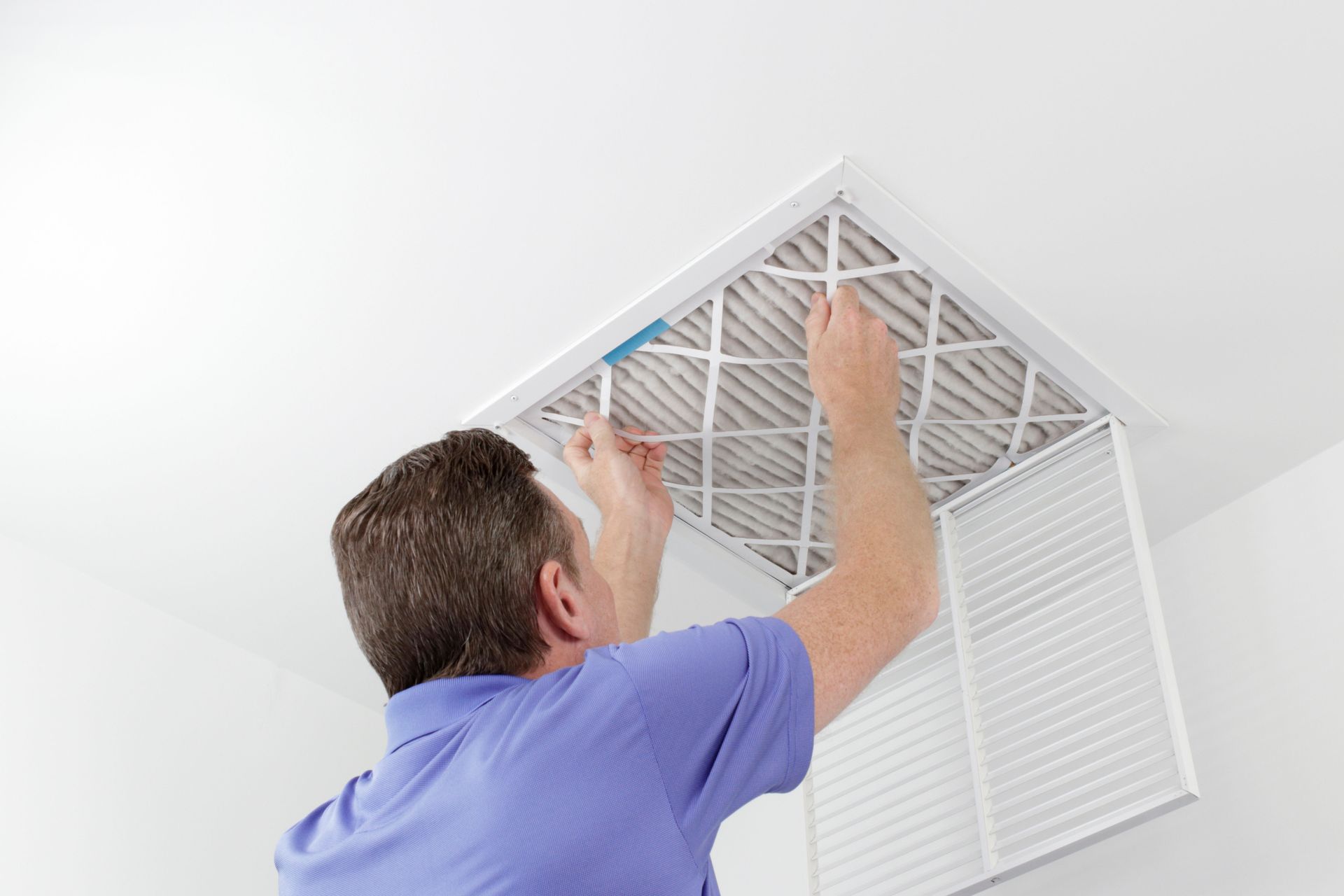
Air ducts form the structural network that enables modern heating and cooling systems to deliver climate-controlled comfort across various rooms. When an HVAC unit functions efficiently, it continuously pulls in stale air, conditions it to the desired temperature, and distributes it back throughout the property. However, this non-stop air movement means that every airborne particle drawn into the returns can settle inside the duct lining. Over time, heavy accumulations of dust, pet hair, and environmental debris restrict critical airflow. This buildup forces the entire mechanical system to work significantly harder, consuming far more energy while accelerating internal mechanical wear and tear on expensive components.
Inadequately maintained air ducts can also spread pollutants like dust, mold, and allergens more readily, impacting indoor air quality. According to Business Research Insights, about 72% of complaints about indoor air quality in commercial buildings link directly to poorly maintained HVAC duct systems. Recognizing the physical signs of neglected ventilation pathways is essential for maintaining a healthy environment. Heavy dust build-up around supply vents, musty odors whenever the blowers kick on, inconsistent airflow between rooms, and unexplained spikes in monthly utility bills all point toward compromised ductwork. Addressing these warning signs quickly prevents systemic mechanical failures while halting the continuous spread of airborne irritants.
Identifying Key Pollutants in Duct Networks
Ductwork provides a hidden sanctuary for several distinct types of environmental contaminants that deteriorate indoor air. Dust mites and pollen grains easily accumulate in horizontal duct runs, creating persistent problems for individuals suffering from seasonal allergies or asthma. Mold and mildew thrive inside dark, damp mechanical environments, especially if condensation collects near cooling coils or uninsulated duct surfaces. When the air handler turns on, invisible fungal spores are blown directly into bedrooms and offices. Additionally, pet hair and dander settle within the mechanical returns, repeatedly releasing microscopic allergens back into the breathing zone every time the system cycles.
Volatile organic compounds and lingering household odors also cling to dust layer deposits inside the ventilation infrastructure. Chemical off-gassing from synthetic carpets, fresh paint, or harsh cleaning agents can settle into duct lining, creating a persistent chemical baseline in the air. Stagnant air caused by blocked ducts traps these chemical vapors inside the building, preventing necessary fresh air exchanges. Without proper intervention, these combined contaminants create a compounding cycle of poor air quality. Utilizing a dedicated air duct cleaning company breaks this unhealthy cycle by physically extracting the deeply embedded debris that standard surface cleaning techniques can never reach.
Selecting an Air Duct Cleaning Company
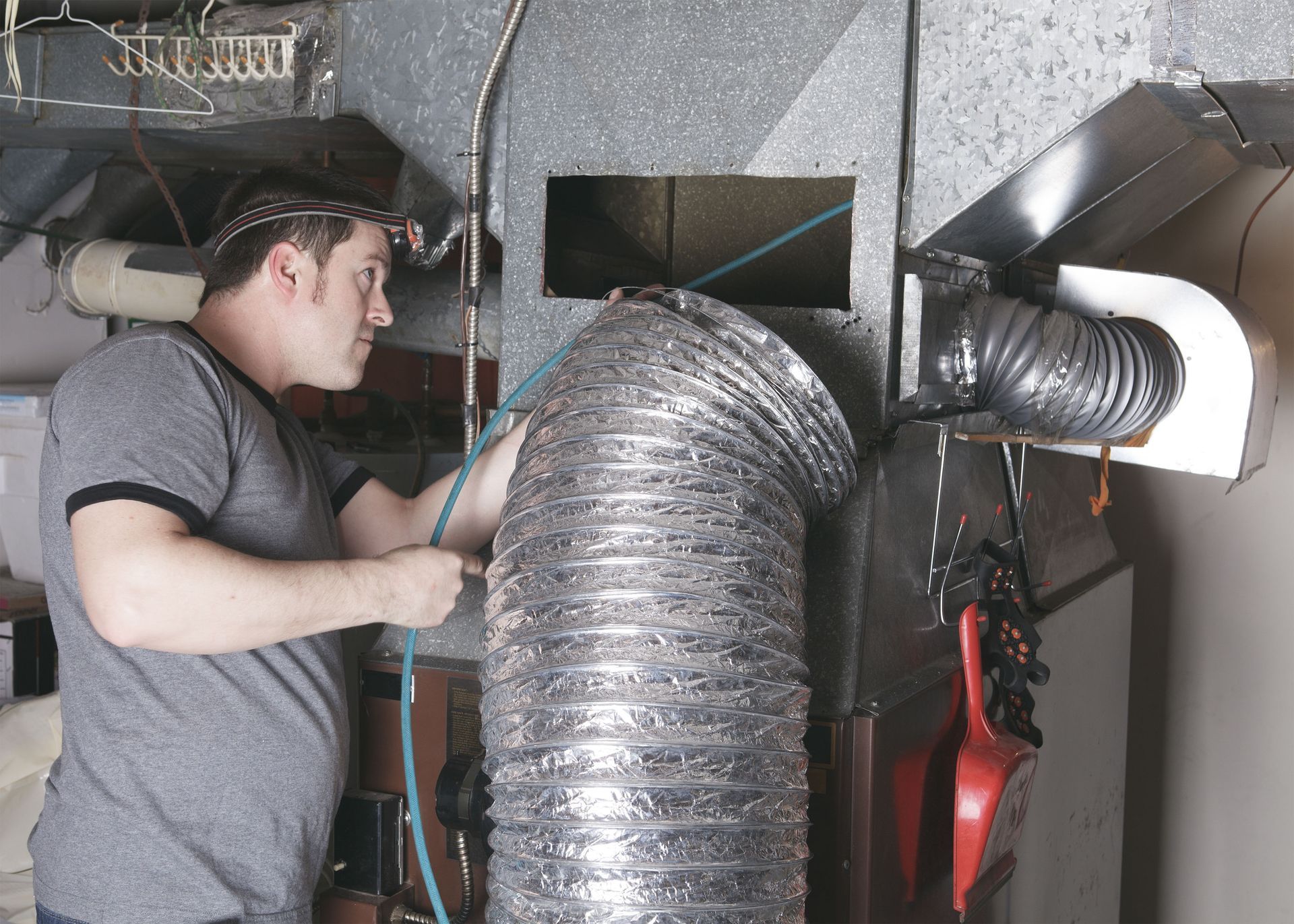
Choosing a qualified air duct cleaning company requires careful research and an understanding of industry standards. Property owners should look for fully certified providers who adhere to strict cleaning procedures established by recognized national power-wash and ventilation organizations. Reputable contractors utilize specialized negative pressure vacuum trucks alongside high-powered rotobrush tools to thoroughly dislodge and collect deep-seated debris. It is wise to request detailed written estimates, verify comprehensive liability insurance, and review client testimonials before agreeing to any service contract. Selecting a transparent and experienced contractor ensures that the ventilation system receives a comprehensive cleaning without risk of damage to delicate mechanical components.
Avoiding low-cost scams is another essential aspect of hiring a reliable service provider. Unscrupulous operators often advertise deceptively low flat-rate prices only to perform superficial work or demand expensive add-on services once inside the building. A dependable air duct cleaning company conducts a thorough preliminary inspection, clearly explains the required scope of work, and provides transparent pricing upfront. They will inspect the entirety of the duct system, including supply registers, return grilles, main trunk lines, and air handling components. Investing in a legitimate, highly rated professional service guarantees that the ductwork is genuinely sanitized, resulting in measurable improvements to indoor comfort.
Enhancing System Performance Through Professional Service
Partnering with a professional air duct cleaning company yields immediate and long-term mechanical benefits for heating and cooling equipment. Removing heavy layers of restricted debris restores unrestricted airflow throughout the entire layout of the building. This improved circulation allows the HVAC equipment to reach target thermostat temperatures much faster, drastically reducing operational stress on fans, motors, and compressors. Furthermore, clean systems require far less electricity or fuel to operate efficiently, resulting in noticeably lower monthly utility expenditures. By eliminating mechanical resistance, regular professional maintenance extends the functional lifespan of expensive equipment while preventing sudden operational breakdowns.
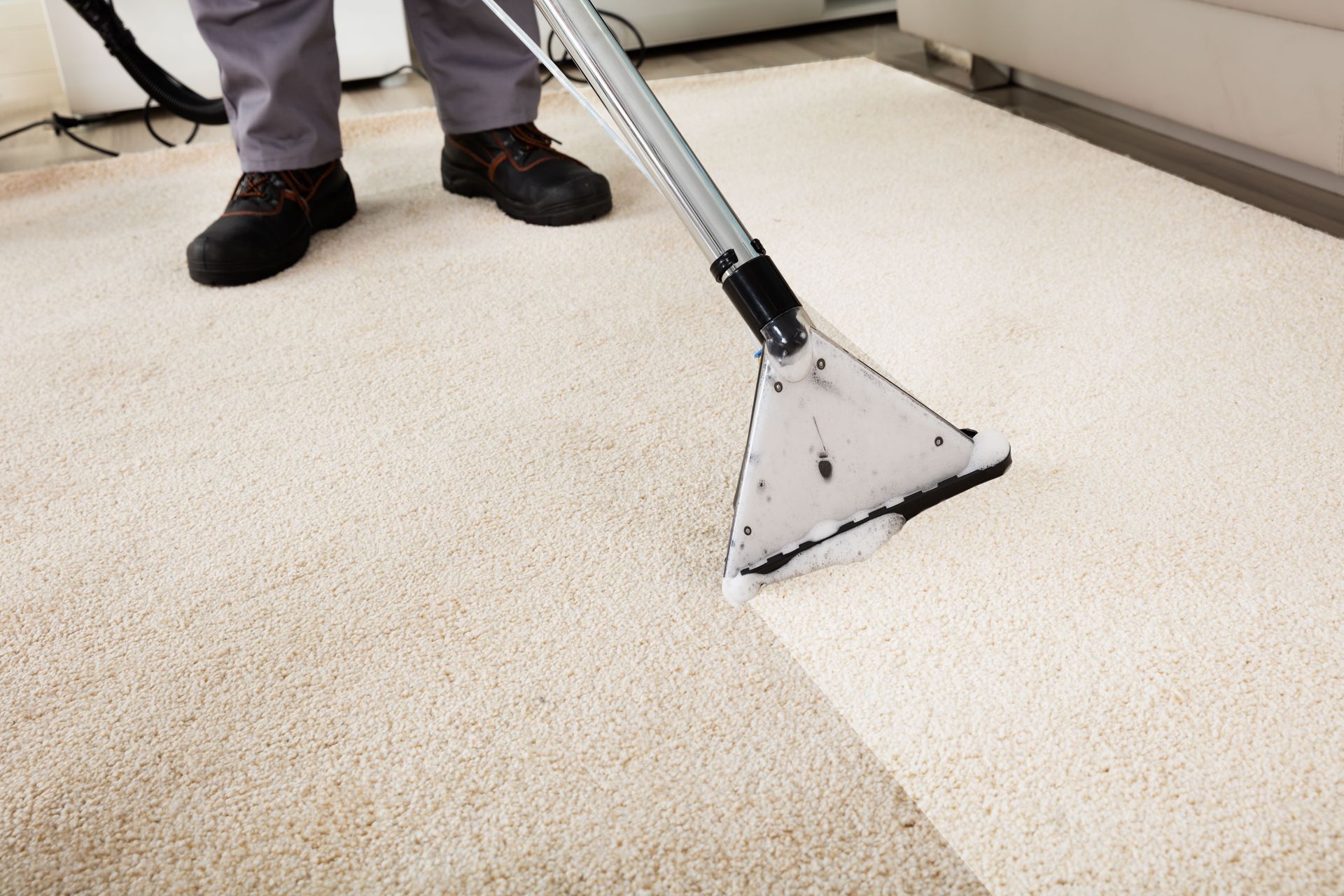
Beyond energy savings, expert mechanical remediation creates a cleaner, far more sanitary interior living space. Removing the primary reservoir of circulating dust means that furniture, flooring, and household surfaces collect significantly less fallout, reducing daily housekeeping demands. Eliminating trapped moisture deposits and fungal colonies within the dark duct interior also removes persistent, stale odors at their primary source. The ultimate result is a fresher, cleaner, and healthier indoor atmosphere that supports better respiratory health for every occupant. Consistent mechanical maintenance protects both the structural property investment and the personal health of those who live and work inside.
When you are ready to transform the health and performance of your indoor space, reach out to a team of dedicated professionals. Our expert technicians utilize state-of-the-art specialized equipment to eliminate stubborn contaminants, optimize HVAC airflow, and restore pure air quality to your facility. As a premier
air duct cleaning company, Zoom Dry delivers thorough, reliable, and transparent service tailored to your specific mechanical needs. Contact us today to schedule a comprehensive ventilation assessment and take the first step toward a cleaner, healthier indoor environment.